
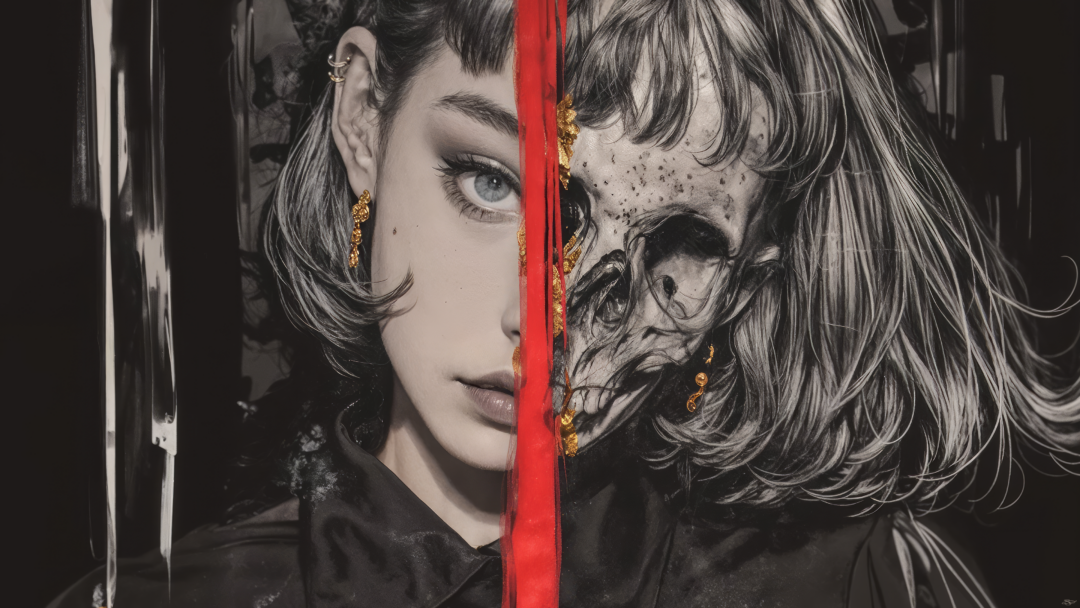
Shannon Bulrice

Shannon Bulrice is a Long Beach–based digital artist, designer, and creative technologist whose work merges Pop Surrealism, Lowbrow influences, and a punk-leaning sensibility. Her imagery blends hand-crafted digital techniques with generative tools to create vivid, emotionally resonant worlds filled with soft monsters, expressive characters, and figures who live just outside the edges of the expected.

Shannon’s art centers on empathy, identity, and the inner landscapes we carry with us. Her characters — wide-eyed, strange, beautiful, and deeply human — explore themes of resilience, belonging, and the quiet power of being different. Drawing from her decades-long background in design and her lifelong fascination with character and narrative, she uses digital tools not as shortcuts, but as collaborative partners that help her shape new visual possibilities.

Her work reflects the layered experience of modern life: playful and surreal on the surface, emotionally grounded underneath. Shannon creates for those who feel things deeply and for anyone who sees pieces of themselves in the unconventional.

Genres


Contact Information

Shannon Bulrice

Artist Links

Website

Instagram

LinkedIn

Artist Work

The Ones We Carry (2025)
This piece leans into the idea that we all carry different versions of ourselves — the confident parts, the vulnerable parts, and the ones that feel a little strange or hard to name. The girl stands calmly in the foreground while the small horned figure looks up at her, almost like a companion she’s known forever. Their connection feels familiar, as if he represents an inner truth she’s learned to live with rather than fear. The surreal style exaggerates their features in a way that brings their emotions to the surface. The faint skulls drifting in the background hint at old memories and things we’ve survived, but they don’t dominate the scene — they’re just part of the backdrop of being human. The Ones We Carry is a quiet reminder that our inner worlds are complex, and sometimes the parts that look the most unusual are the ones that have protected us the longest.

What We Grow Beside (2025)
This piece is about the parts of ourselves that grow up right next to us — the tender pieces, the complicated ones, and the things we don’t always talk about. The young figure stands open and a little vulnerable, while the horned companion hangs close behind, almost like a shadow that never fully leaves. They feel connected in a way that’s honest and familiar: we’re shaped by what we carry, and not all of it is meant to be hidden or overcome. The surreal style exaggerates their features and emotions, making their relationship the center of the story. The subtle skulls in the background hint at memories and past experiences that linger. What We Grow Beside is a small reminder that our histories don’t disappear — we learn from them, make peace with them, and figure out how to live alongside them.

Multiplicity (2025)
This piece looks at what it feels like to hold many versions of yourself at the same time — the overwhelmed ones, the tender ones, the ones that still ache, and the ones that never learned how to be quiet. All of these faces stack together, sharing the same body and the same history, each one trying to be heard in its own small way. The horns and exaggerated features give the figures a surreal, otherworldly presence, but the emotion is very human: that mix of sadness, exhaustion, and softness we don’t always say out loud. Multiplicity is about how crowded it can feel inside our own skin, and how even the hardest feelings belong to us. It’s a reminder that we’re never just one thing — we’re a whole chorus of selves trying to make sense of where we’ve been and who we’re becoming.

What Remains of Us (2025)
This piece sits with the idea of what we inherit — not just genetically, but emotionally. The small horned figure leans against a massive, cracked skull as if trying to understand it, or maybe trying to make peace with it. There’s a quiet exhaustion in their posture, the kind that comes from carrying stories that began long before we did. The exaggerated features keep everything soft and surreal, but the feeling is very real: how the past can feel too big for our small bodies, and how we still find ways to rest on it, learn from it, or simply acknowledge that it’s there. What Remains of Us is about facing the parts of our history we didn’t choose, and finding a way to live alongside them without letting them define the whole of who we are.

The Gentle Ones
This piece leans into the softness we rarely associate with creatures like this. These two small, horned beings cling to each other with a tenderness that feels almost sacred, their halos hovering above them as if to say that gentleness can come from unexpected places. There’s something sweet and a little sad in the way they hold on — like they know the world can be harsh, and they’ve chosen to be each other’s safe place. The fluffy textures, oversized eyes, and delicate wings keep everything grounded in a dreamy, surreal space. The Gentle Ones is about the kind of connection that softens us, even when we feel strange, out of place, or misunderstood. It’s a small reminder that even the oddest little beings deserve love — and often give it the most freely.

Soft but Not Safe (2025)
This piece comes from my Hate Eaters series — characters who exist to swallow the cruelty the world throws at queer and marginalized people. She looks sweet at first glance, but the moment you notice her teeth, you understand her purpose. She’s soft in appearance, yes, but she’s not here to be harmless. She’s here to protect. With her blank, glowing eyes and nervous little posture, she embodies that mix of vulnerability and fierce devotion that so many of us recognize. She devours hate so others don’t have to carry it, turning something ugly into something strangely tender and empowering. Soft but Not Safe appears in The Radiant Ones chapter of Softcore Anarchy, where the characters shine in their own unsettling, heartfelt ways. She’s a reminder that gentleness is not weakness — and that sometimes the sweetest beings are the ones who bite back the hardest.